Common Mistakes When Setting Up A Thoughtful Audio Gift For Someone Who Listens Closely
A practical step-by-step guide to common mistakes when setting up a thoughtful audio gift for someone who listens closely, including preparation, instructions, common issues, tips, and next steps.
Common Mistakes When Setting Up A Thoughtful Audio Gift For Someone Who Listens Closely
Setting up an audio gift for a detail-oriented listener goes beyond choosing a speaker or headphones. This guide focuses on the common mistakes people make when preparing such a gift, from neglecting source quality and acoustic environment to overlooking personalization and future maintenance. The goal is to help you create a thoughtful, tailored audio experience that shows you understand the recipient's listening habits. By following the structured steps and practical tips, you can avoid pitfalls and deliver a gift that is both meaningful and technically sound, ensuring the listener enjoys their music, podcasts, or audiobooks as intended. The emphasis is on preparation, customization, and ongoing support, making the gift a lasting source of enjoyment.
Fast Answer
- Before buying any audio gear, ask your recipient about their favorite listening spots, preferred audio formats, and how they currently listen; use that information to choose a device that fits their routine, not just the most impressive specs.
- Plan to set up the device together in their chosen space, adjust the equalizer based on their hearing preferences, and demonstrate how to maintain it, so your thoughtful gift works well from the first play.
Before You Start
- Identify the recipient's listening habits by observing or gently asking where they play music, whether they use wired or wireless gear, and what they value most (clarity, bass, or portability) at least a few days before you finalize the gift.
- Gather the necessary items for setup: a clean cloth, a stable surface or mount, power cables, a high-quality audio source (like lossless files or a decent streaming subscription), and any adapters the device may need.
- Check the device's user manual or online documentation to learn about its specific calibration settings, such as equalizer presets, room correction features, or battery care instructions, so you can tailor the setup to the listener.
- Create a setup checklist that includes: checking the device firmware, ensuring network or Bluetooth pairing is stable, verifying the audio cable is securely connected, and placing the device at ear level for optimal listening.
Step-by-Step Instructions
Examine the Listening Context
Start by understanding where and how the recipient will use the audio gift. Walk around their home or ask them about their typical listening locations: a living room, a home office, a bedroom, or on the move. Note the room's size, furnishings, and potential sources of noise like a fan or street sounds. A detailed listener might prefer a specific soundstage or bass response, which is heavily influenced by the environment. For example, a small room with many hard surfaces will reflect sound differently than a carpeted living room. Take time to play a few test tracks in that space, if possible, and listen for any distortion or muddiness. This examination is critical because it determines whether the gift will shine or fall flat. Without this context, you risk choosing a device that sounds impressive in a store but underwhelming at home.
Select the Right Audio Device
Based on your examination, pick a device that matches the recipient's lifestyle, not just a spec sheet. For a stationary listener, consider a powered speaker or a set of bookshelf speakers. For someone who moves around, look at a portable speaker with a long battery life. Pay attention to input options: does the recipient use a turntable, a smartphone, or a computer? Ensure the device has the right analog or digital inputs. Also, consider the device's adjustability: does it have a built-in equalizer or physical tone controls? A thoughtful gift includes the ability to fine-tune the sound to the listener's ears. Avoid getting fixated on frequency ranges or wattage numbers; instead, focus on how the device reproduces music at normal listening levels in their environment. Finally, read reviews from audiophiles who emphasize natural sound rather than boosted bass.
Gather Essential Accessories
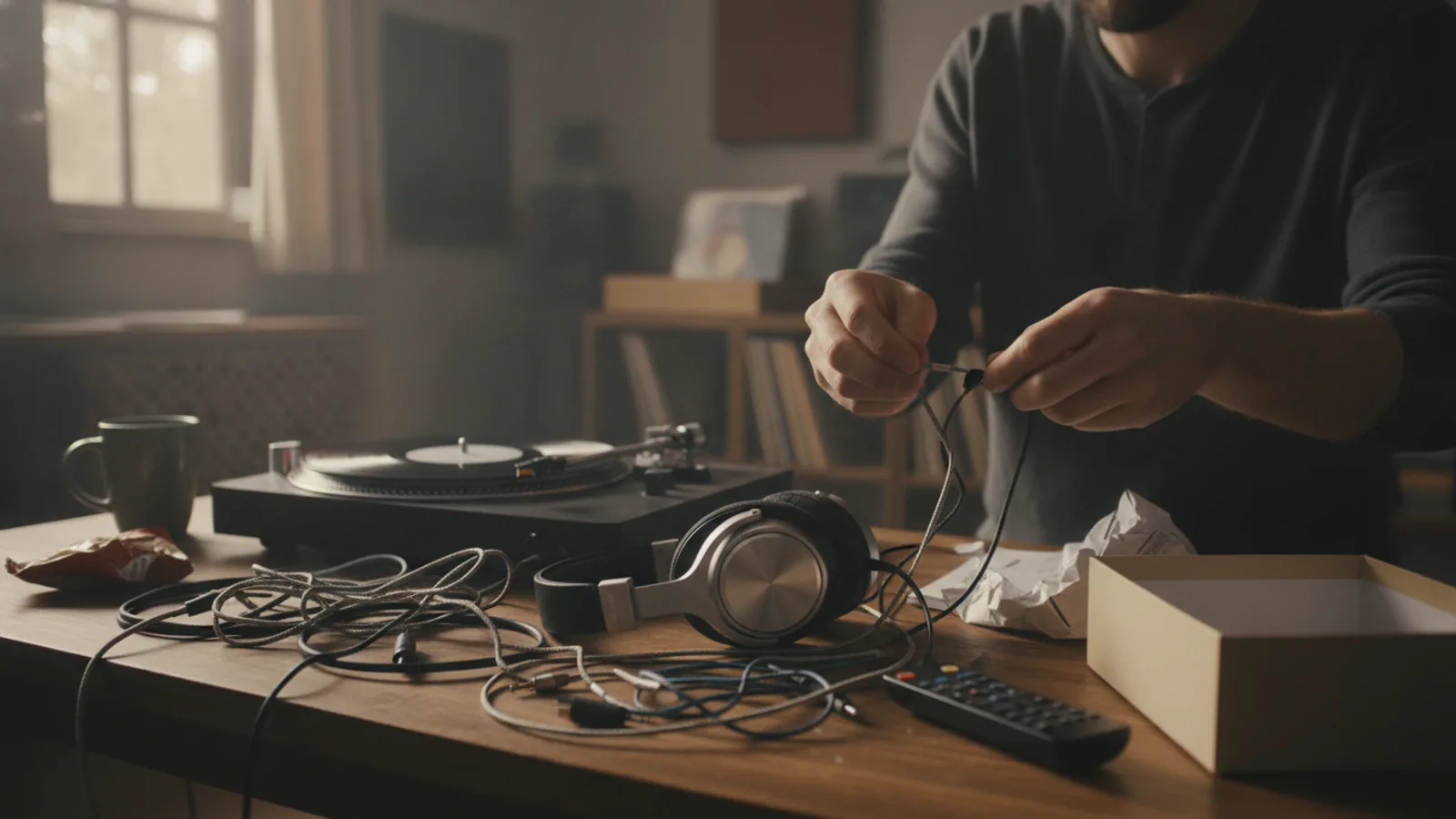
Assemble all necessary cables, adapters, and power supplies before you start setting up. Check if the device uses proprietary power cables or standard ones, and whether you need extra cables like an optical or RCA for a TV. Consider investing in a high-quality audio cable if the device supports wired connection, as a flimsy cable can introduce interference. Also, have a small toolset on hand for mounting or placing the device securely. For wireless devices, make sure your phone or tablet has the latest operating system to pair correctly, and confirm that the device supports your current Bluetooth version or Wi-Fi standard. Don't assume the device comes with everything it needs; often, wall adapters or mounting brackets are sold separately. Having the right accessories ensures a smooth setup without last-minute trips to the store.
Configure Initial Settings
Turn on the device and walk through the initial setup menu carefully. Set the correct date and time if applicable, and connect to the recipient's Wi-Fi network or pair via Bluetooth. Adjust the equalizer to a neutral or flat setting initially, because that gives the truest representation of the audio. If the device has room-correction software, run it now, following the instructions to place the microphone at the listening position. This is an essential step because a detail-oriented listener will notice if the sound is skewed. Also, disable any audio-enhancing effects like 'surround sound' or 'bass boost' that may color the sound. If the device lets you rename it, use a name that is easy to identify on the network. These settings are the foundation for a good listening experience.
Play a Calibration Track and Listen
After configuring, play a variety of music genres to test the device's performance. Start with a track that has deep bass, then move to a vocal-focused song and an orchestral piece. Listen for any distortion at normal volume and at higher volumes, and note if any frequencies are overpowering. Move around the room to see how the sound changes; if the device has a 'soundstage' feature, test it. Pay attention to the balance between left and right channels. If the device allows, adjust the equalizer slightly to suit the recipient's taste—maybe add a touch of presence for clearer vocals or reduce treble if it’s harsh. Play a podcast to check dialogue clarity. This step is where you decide whether the gift actually sounds good in the intended space. Don't rush it; spend at least 15 minutes listening.
Finalize and Demonstrate
Once you're satisfied with the sound, do a final walkthrough with the recipient. Show them how to change the volume, switch inputs, and adjust the equalizer if they want. Explain how to clean the device properly and how to update its firmware when needed. Emphasize the importance of powering it off when not in use to save energy. If the device is wireless, demonstrate how to re-pair it with their phone or tablet. Give them a short list of troubleshooting steps, like what to do if the sound cuts out. Finally, place the device in its permanent spot, ensuring it's stable and out of direct sunlight. Your thoughtful guidance will help them care for the gift and get the most enjoyment from it.
Quick Reference
| Situation | Action | Why it helps |
|---|---|---|
| You don't know if the recipient prefers wireless or wired headphones. | Ask them casually about their daily listening setup and how they usually connect to their phone or computer, then choose a device that matches that preference. | Matching the connection type avoids frustration and ensures they can use the gift without needing an adapter they don't own. |
| The room has a lot of echo and hard surfaces, meaning the sound may bounce around. | Place soft furnishings like a rug, cushion, or thick curtains in the room, and experiment with moving the speaker away from walls to reduce reflections. | These simple acoustic treatments reduce muddiness and improve clarity, letting the audio device perform closer to its true potential. |
| The recipient has a favorite playlist but you don't know which platform they use. | Inspect the device's compatible apps or check their phone for their preferred app, then set up the device to work with that app and show them how to cast or connect. | Ensuring the gift works with their existing music library prevents the inconvenience of having to switch platforms or re-purchase music. |
Common Issues
- The audio gift sounds tinny or lacks bass in the intended room.: First, check the placement: move the speaker away from corners and walls, and try elevating it to ear level. Then, adjust the equalizer on the device or in the music app to boost the low frequencies slightly, but be careful not to overdo it, as excessive bass can mask other details. Also, ensure the device's firmware is up to date.
- The connected device plays only in mono or cuts out occasionally.: Inspect all cable connections and reseat them firmly. For wireless connections, unpair and re-pair the device, and forget the network and rejoin it. Also, check for any objects blocking the Bluetooth or Wi-Fi signal, and try moving the source device closer to the audio device.
- The recipient is not sure how to adjust the sound to their preference.: Write a short, clear guide on the device's settings, including where to find the equalizer and any preset modes. Walk them through the steps once and suggest they experiment with different presets to find one they like, but encourage a flat setting initially.
Advanced Tips
- If possible, play with the device's crossover settings or physical positioning to align the soundstage with the listener's preferred sweet spot, which is often between the speakers and at ear height.
- Consider the source quality: use lossless audio files or high-bitrate streaming settings for critical listening, but note that streaming quality settings might be under the app's 'Audio Quality' menu, which you can set before wrapping the gift.
- Introduce the concept of a 'listening session' where the recipient sits in a quiet moment with the gift, and suggest they try using a headphone amplifier or a dedicated DAC if the device has a headphone jack.
Final Checklist
- All necessary accessories are included and connected securely, and the device is placed in an acoustically favorable spot with good airflow.
- The device is fully charged or plugged in, and the initial settings (including equalizer and any room correction) are tailored to the recipient's taste and the room's characteristics.
- You have played a variety of music and spoken content on the device and confirmed the sound is clear, balanced, and distortion-free.
- You have explained how to operate the device, including volume, input switching, basic troubleshooting, and how to keep the device updated, and the recipient knows how to reach you for help.
FAQ
How do I know if the audio gift is compatible with my friend's phone?
Check the device's connection options: if it uses Bluetooth, ensure their phone supports the same Bluetooth version (usually Bluetooth 5.0 or later, but older versions work as well) and look in their phone's settings to see if they can pair. For wired connections, compare the device's input to the phone's output, and consider buying an adapter if needed. If the device uses Wi-Fi, make sure their home network is available and they know the password.
What if the recipient doesn't like the audio quality after listening for a few days?
Encourage them to experiment with the equalizer and placement. Sometimes a slight adjustment can make a big difference. If they still are unsatisfied, offer to help them exchange the device for a different model that fits their taste better. Since stores often have return policies, keep the receipt and original packaging until you are sure they love the gift.
How can I improve the sound of a portable speaker in a noisy environment?
Place the speaker on a stable surface, preferably at ear level, and tilt it toward the listening area. Some speakers have a 'voice enhance' or 'bass boost' mode that can help in certain situations, but be cautious. In a noisy café, a wired connection can reduce latency, but if you use Bluetooth, keep the source device close. Also, ask the recipient to play with the speaker's orientation to see if it changes the clarity.