Common Mistakes When Setting Up Bookshelf Speakers For A Living Room Without A Large Hi Fi Rack
A practical step-by-step guide to common mistakes when setting up bookshelf speakers for a living room without a large hi-fi rack, including preparation, instructions, common issues, tips, and next steps.
Common Mistakes When Setting Up Bookshelf Speakers For A Living Room Without A Large Hi Fi Rack
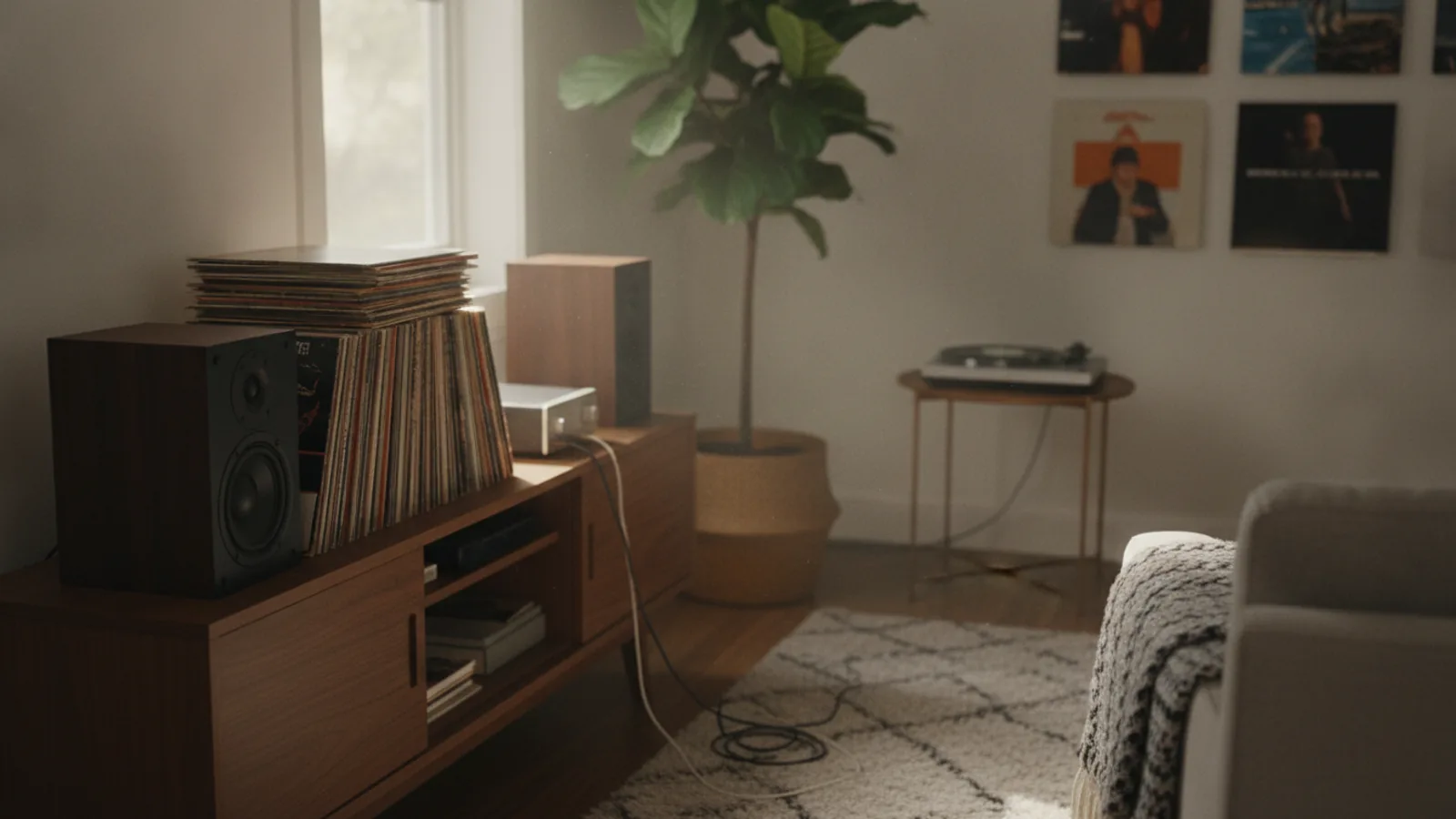
Setting up bookshelf speakers in a living room without a large hi-fi rack often leads to avoidable mistakes that compromise sound quality. This guide covers common errors such as placing speakers directly on the floor, pushing them against walls, towing them inward too aggressively, ignoring reflective surfaces, and overlooking the importance of isolation. You will learn how to position speakers at ear level, create a simple stand from furniture, manage room reflections with soft furnishings, and fine-tune the sound for your specific space. The advice is practical and does not require specialized equipment or permanent modifications, making it ideal for renters or minimalists.
Fast Answer
- Place speakers at ear level on sturdy, non-resonant surfaces like dense books or sturdy side tables, not directly on the floor.
- Keep speakers away from walls and corners, about 1-2 feet from the wall behind them, and angle them toward your listening position without excessive toe-in.
Before You Start
- Measure the distance from your typical listening position (e.g., your couch) to where you plan to place the speakers, so you can create a rough equilateral triangle.
- Gather materials for temporary stands, such as thick hardcover books, dense wooden blocks, or a pair of small stools that match your room's decor.
- Identify soft items in your living room—like cushions, blankets, or curtains—that you can use to reduce reflections from walls and glass.
- Clear the area around the speakers of decorative objects that might vibrate or rattle when music plays, such as vases or picture frames.
Step-by-Step Instructions
Measure Your Listening Triangle
Start by measuring the distance from your primary listening spot—usually the center of your couch or favorite chair—to the point where you plan to place each speaker. This distance becomes the base of an equilateral triangle; the ideal tweeter position is at the apex of that triangle, meaning you will sit so that the distance between the speakers equals the distance from each speaker to your head. Mark the floor with a small piece of tape to visualize the placement. After marking, measure the distances again to ensure they are as equal as possible. This simple check matters because symmetrical distances are crucial for a balanced stereo image; if one speaker is farther away, the sound arrives at different times, causing phase cancellation and a smeared soundstage.
Create Sturdy Makeshift Stands
Unless you have official stands, you need to lift the speakers off the floor to place the tweeters at ear level. Gather dense materials that will not resonate: thick coffee-table books, a stack of hardback books, or a low stool. Aim for a height where the tweeter—the smaller driver—is level with your ears when you sit in your normal listening position. Stack the books on a stable surface near your planned location. After stacking, push firmly on the stack to test for rocking or wobble; add a thin cloth or felt pad between layers if needed. This check matters because a unstable stand can cause vibrations and even topple the speaker, while a resonant hollow stand adds coloration that muddies the midrange.
Position Away From Walls and Corners
Move the speakers so their back panels are at least 30 centimeters (about 1 foot) away from the wall behind them. Corners are worse, so keep at least 50 centimeters from each side wall. If your room is small, you may need to compromise, but always aim for more clearance. After positioning, clap your hands once and listen to the echo; if you hear a distinct slap, the wall reflection is too strong. This check matters because walls reflect low frequencies, causing bass boom and muddiness; too much reinforcement at the wall boundary overwhelms the speakers' neutral output, making the sound unnatural. By giving them breathing room, you let the bass develop naturally and reduce unintended booming.
Angle Speakers Toward Your Ears
Now rotate each speaker so its front baffle points directly at your head in the listening position. This is called 'toe-in.' Start with a straight-on aim, then begin playing a familiar vocal track. While seated, ask a friend to slowly rotate one speaker from facing forward to aiming at your ear; listen for when the imaging becomes pin-sharp. Typically, you will end up with only a slight inward angle, not extreme. After adjusting, move your head left and right gently. If the sound changes dramatically, the toe-in might be too narrow. This check matters because off-axis speakers roll off high frequencies, dulling the treble and reducing sparkle; correct toe-in ensures you hear the direct sound from both speakers, creating a coherent stereo center.
Manage Reflective Surfaces
Identify any large flat surfaces between you and the speakers: glass windows, glossy tables, or bare walls. These cause harsh reflections that smear the sound. Add soft furnishings like a rug, thick curtains, or a cushioned ottoman in the reflection zones. A simple trick is to sit in the listening position and have a friend hold a small mirror against the reflective surface; if you can see the speaker in the mirror from your seat, that spot causes a problematic reflection. Place a soft object there. After placing, play music with fast transient sounds (like a snare drum) and listen for a reduction in blurring. This check matters because even small reflections can cancel parts of the frequency spectrum, making the music sound 'boxy' or 'harsh'.
Isolate From Vibrating Surfaces
Ensure the speakers are not sitting on surfaces that vibrate easily, such as thin wooden shelves or hollow tables. You can use small felt pads, rubber feet, or even a few coins between the speaker and its stand to decouple them. If you notice any rattling objects nearby, like a picture frame, remove them or secure them. After isolation, play a bass-heavy track at moderate volume and place your hand on the surface under the speaker; if you feel strong vibration, you need better damping. This check matters because vibrations rob the speaker of energy, causing a loss of clarity and adding distortion. Isolation lets the speaker's enclosure work as designed, producing a cleaner and more controlled sound.
Quick Reference
| Situation | Action | Why it helps |
|---|---|---|
| Speaker is below ear level on a low cabinet | Lift it on a stack of sturdy hardcover books to bring the tweeter level with your ears; measure the height first. | Our ears are most sensitive to high frequencies, and aiming the tweeter directly at ear level ensures the brightest and most accurate sound. |
| You hear booming bass when the speakers are near a wall | Pull the speakers at least 12 inches from the wall and add soft materials like a rug or bookshelf to absorb reflections. | Walls reinforce bass frequencies, causing a peak in the low end that masks detail; adding distance reduces that reinforcement. |
| You notice a weird echo when playing music | Place a large soft cushion or blanket on the first reflective point between you and each speaker, using the mirror trick to locate it. | Reflections from hard surfaces arrive later than the direct sound, smearing timing and reducing clarity; absorbing them cleans up the sound. |
Common Issues
- One speaker sounds louder or closer than the other: Check that both speakers are the same distance from the listening position and that they are not obstructed by furniture or curtains; adjust the balance control on your amplifier if necessary.
- A muddy or unclear vocal band: Pull the speakers further from the back wall and add a thick rug in front of them to reduce floor reflections; if possible, raise the speakers slightly higher to avoid early wall reflections.
- The stereo image collapses when you move your head: Reduce the toe-in angle and make sure the tweeters are level with your ears; also ensure you are sitting centrally between the speakers, not off to one side.
Advanced Tips
- To fine-tune toe-in, use a mono recording and adjust each speaker one at a time until the sound appears to come from a point exactly between them; then step back to a stereo track.
- Instead of buying expensive acoustic panels, use a heavy fabric curtain or a large shelved bookcase full of books to break up large flat walls; these are surprisingly effective at taming reflections.
- If your living room has a window between the speakers, draw the blinds and add a cloth curtain, but even a quilted throw temporarily will reduce the glass reflection.
Final Checklist
- Speakers are at ear level, and both tweeters are equidistant from your main listening seat.
- Each speaker is at least 30 cm away from the wall behind it and at least 50 cm from side walls, if possible.
- Furniture, books, or other dense objects under the speakers are stable, non-resonant, and free of rattling items.
- Reflective surfaces are identified and treated with soft furnishings (rugs, curtains, cushions) so no hard reflection reaches your ears.
FAQ
Can I place my bookshelf speakers on a regular bookshelf?
Yes, but avoid enclosed shelves. Place them on the middle or top shelf, with the front edge flush or slightly forward. Ensure the tweeters are at ear level—use books to prop them up. Also, use isolation pads to prevent vibration transfer from the shelf, especially if the shelf is hollow.
What if my room is very small and I cannot keep speakers away from walls?
You can still improve sound by adding absorptive materials like a thick rug, curtains, and a soft couch. Place speakers as far from corners as possible, and use toe-in to aim their direct sound into the room. In very small rooms, consider using stands that space the speakers apart to avoid corner loading.
How do I know if I am using too much toe-in?
If the stereo image sounds narrow and your movements cause the center to shift quickly, you are toed in too much. Reduce the angle until the soundstage seems wide and stable. A good check is to have a friend stand at the speakers and swivel them slowly while you listen for clarity.