A Practical Guide To Bookshelf Speakers For A Living Room Without A Large Hi Fi Rack
A practical step-by-step guide to a practical guide to bookshelf speakers for a living room without a large hi-fi rack, including preparation, instructions, common issues, tips, and next steps.
A Practical Guide To Bookshelf Speakers For A Living Room Without A Large Hi Fi Rack
This guide explains how to choose and place bookshelf speakers in a living room without relying on a large hi-fi rack. It focuses on practical placement, minimal furniture, and achieving good sound through careful positioning. The steps cover assessing room layout, choosing speaker size, placing speakers at ear level, creating a listening triangle, managing reflections, and hiding cables. It also includes troubleshooting common issues and advanced tips for fine-tuning.
Fast Answer
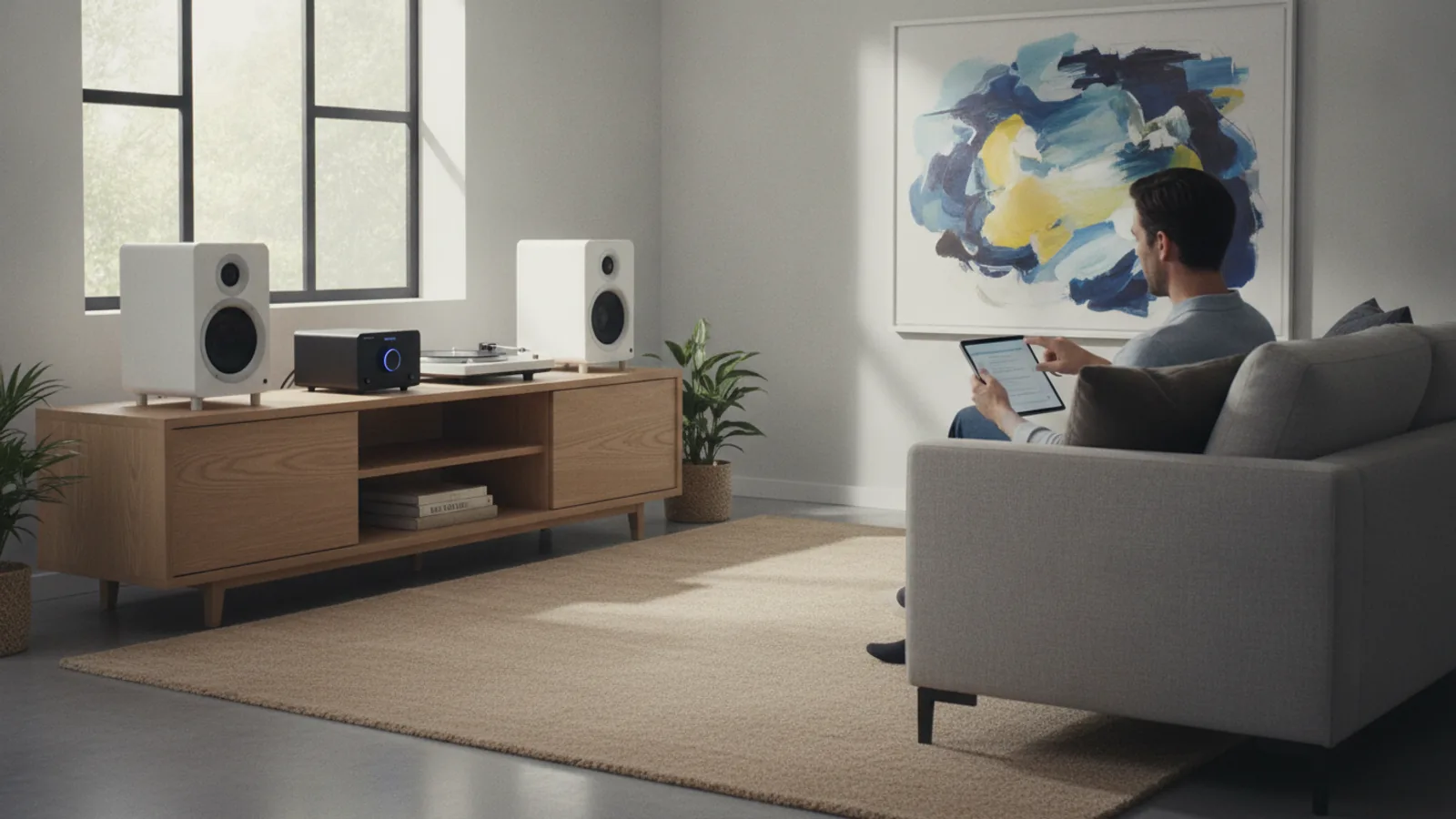
- Place bookshelf speakers on sturdy stands or shelves at ear height, angled slightly toward your listening spot, with at least a foot of clearance from walls to reduce bass boom.
- Skip the rack: use wall-mounted shelves, window sills, or compact stands that blend with your decor, and run cables neatly along baseboards to keep the space tidy.
Before You Start
- Measure your listening area: note the distance from your usual seating position to the proposed speaker locations on each side, so you can plan a balanced setup.
- Identify a wall or furniture surface that can support the weight of your chosen speakers and is stable enough to avoid vibration during playback.
- Gather basic tools: a tape measure, a level, some adhesive cable clips, and possibly a drill if you plan to mount shelves or stands.
- Check your speaker manual for recommended placement guidelines, especially the minimum distance from walls and whether they are ported (which affects airflow).
Step-by-Step Instructions
Assess Your Room Layout and Listening Position
Start by looking at your living room as a whole. Identify where you usually sit when you listen to music or watch TV, and mark that spot. Then measure the distance from that seated position to two possible speaker locations on either side. This distance helps you form an equilateral triangle, where the speakers and your head are roughly at three corners. In a typical living room, this means the speakers are placed at least six to eight feet apart, and you sit about the same distance away. This arrangement creates a stable stereo image. To check, imagine a triangle: if the speakers are too close together or too far apart, the soundstage will be skewed. Walk around the room to see if any furniture, plants, or lamps block the direct path from the speakers to your ears. You may need to move a chair or table. This assessment is crucial because every room is different, and proper spacing is the foundation of good sound.
Select Speakers That Fit Your Space
Choose bookshelf speakers that are appropriate for the size of your living room. Larger speakers can fill a big room but may overwhelm a small space, while very small speakers might lack depth in a larger area. Look at the speaker's dimensions and weight, and consider how they will sit on your chosen surface. If you have limited floor space, opt for shallower models that can sit on a shelf. Also check the speaker's impedance and sensitivity, which are technical specs that affect how much power they need, but don't worry about those numbers too much—just ensure your amplifier can drive them. When you have a few candidates, place them temporarily on stools or boxes at ear height to test the sound. Listen to a familiar track with a strong bass line and clear vocals; the sound should be balanced and not too tinny or boomy. This selection process is important because the right speaker size and design can make placement easier and improve overall sound quality.
Place Speakers at Ear Level
For the best imaging, the tweeter of each speaker should be at the same height as your ears when you are seated in your usual listening spot. This usually means placing the speakers on stands, shelves, or wall mounts that bring them up to that level. If your furniture is too low, you can use sturdy books or foam pads to raise the speakers, but avoid anything that can vibrate. Measure the height from the floor to your ears, and then adjust the speaker placement so the tweeter is within an inch or two of that mark. To check, sit in your chair and have a helper adjust a small mark on the wall until it aligns with the tweeter. This alignment is critical because if the tweeters are above or below ear level, the sound will be less focused and the high frequencies will be attenuated. If you cannot raise the speakers, tilt them upward slightly using small wedges, but keep the tilt gentle. Proper height ensures you hear the full frequency range and a clear stereo image.
Create an Equilateral Triangle
Configure the speakers so that the distance between them is roughly equal to the distance from each speaker to your listening position. This forms an equilateral triangle, which is the ideal geometry for stereo reproduction. Start by measuring the distance from your primary seat to the left speaker position, and then to the right speaker position; adjust the speakers until both distances are approximately equal. Also ensure the speakers are symmetrical: the left and right should be the same distance from the wall behind them and from side walls. To check, use a tape measure to compare the distances and adjust the angle of each speaker slightly inward toward your listening spot, usually about a 30-degree angle. This toe-in helps aim the sound toward your ears, creating a central phantom image. If your room has an off-center fireplace or a large window, you may need to compromise, but try to maintain near-equal distances. This geometry is essential because it ensures that sound arrives at your ears at the same time and volume, which is critical for accurate soundstaging.
Manage Wall Reflections and Room Modes
Reflections from hard walls, floors, and windows can blur the sound and make it seem boomy or metallic. To manage this, place soft materials in the room—such as area rugs, curtains, sofas, or bookshelves—on the walls opposite the speakers and on the floor. The idea is to absorb or diffuse the sound rather than let it bounce back directly to your ears. Start by moving the speakers at least a foot away from the back wall to reduce bass buildup, and a few inches from side walls to avoid excessive early reflections. To check what your room is doing, clap your hands and listen for a ringing or slap echo; if you hear it, add more absorption. Also, you can temporarily place a thick blanket on a reflective surface to see if the sound improves. This management matters because uncontrolled reflections can mask details and make the audio muddy, especially in small rooms. Experiment with the angle of the speakers: sometimes a slight adjustment changes reflection patterns significantly.
Hide Cables and Keep the Space Tidy
Even without a rack, cables can clutter a living room and become tripping hazards. Plan a clean cable route: run speaker wire along the baseboard, using adhesive clips to secure it, or tuck it under a rug if the floor is padded. If you have a wall-mounted TV, you can also route cables through a channel behind the wall, but that requires drilling. Before finalizing, measure the distance from your amplifier to each speaker and leave a little slack so you can move speakers for cleaning or adjustment. To check that your cable run is safe, ensure no wire is stretched taut across a doorway or under a heavy furniture leg. Also, keep speaker wires away from power cords to avoid hum, and use wire ties to bundle them if they are near each other. This tidiness is important because it makes the setup look intentional and allows you to adjust speaker placement without hassle. If you use a wireless audio system, you may not need many cables, but still ensure the power adapters are safely mounted.
Quick Reference
| Situation | Action | Why it helps |
|---|---|---|
| Your speakers sound boomy or muffled, especially in corners or near walls. | Pull the speakers at least 12 inches away from the back wall and 6 inches from side walls; if they are in corners, move them out into the room. | This reduces bass reinforcement from wall reflections and prevents the low frequencies from smearing, giving a cleaner, more balanced sound. |
| You never get a clear center image, and vocals seem to come from both sides rather than the middle. | Toe in both speakers evenly toward your listening spot so that the tweeters point directly at your ears, and adjust until the phantom center locks. | Ideal toe-in aligns the high-frequency drivers' axes with your ears, improving stereo imaging and creating a solid, focused center soundstage. |
| You have no space for a dedicated hi-fi rack, and you need to place speakers on bookshelves or window sills. | Set the speakers on sturdy, solid shelves at ear height, and slightly angle them downward if they are above ear level, using non-resonant pads. | This provides isolation and proper orientation, reducing vibration transmission and ensuring that high frequencies reach your ears instead of bouncing off furniture. |
Common Issues
- Bass sounds boomy or one-note.: Move the speakers farther from walls and corners, especially the side walls. Use a subwoofer if needed, but set its crossover lower. Experiment with placing a heavy object like a thick rug or a bookshelf on the wall behind the speakers to absorb bass reflections.
- Soundstage is narrow or missing, and music seems to come from each speaker separately.: Adjust the toe-in so that each speaker is aimed just outside your ears or directly at them. Also, ensure each speaker is the same distance from the side walls and your listening position. Check that the tweeters are at ear height; if not, raise or tilt the speakers.
- Harsh or tinny sound, especially with vocals.: Add soft furnishings like curtains, rugs, or upholstered furniture to the room to absorb high-frequency reflections. Also, angle the speakers so that the tweeters are not aimed directly at a hard wall; experiment with a slight toe-out if the room is already bright.
Advanced Tips
- Use speaker stands with spikes or isolation feet to decouple the speakers from the floor, which can reduce low-frequency coloration and hardening of the bass response.
- Try placing asymmetrical absorbing panels behind the speakers but at different heights to break up standing waves and reduce comb filtering without deadening the room.
- If you have multiple listening positions (such as a sofa and a chair), set the speakers for the main spot, then use a measurement microphone to check response at other spots and adjust the toe-in slightly to balance the compromise.
Final Checklist
- Speakers are on stable surfaces at ear height for your main listening position.
- The distance between speakers equals the distance from each speaker to your seat, forming an equilateral triangle.
- Speakers are at least 12 inches from the back wall and 6 inches from side walls, unless designed otherwise.
- Cables are safely tucked and not stretched across walkways; there are no tripping hazards, and wires are kept away from power cords.
FAQ
Can I place bookshelf speakers on a bookshelf without a dedicated rack?
Yes, but ensure the shelf is sturdy and at ear height when listening. Slightly tilt the speakers downward if they are above ear level. Avoid placing them directly against a wall, and leave a few inches of space behind them to prevent bass buildup. Use non-resonant pads or putty to isolate them from the shelf.
Do I really need an amplifier for bookshelf speakers?
Yes, most bookshelf speakers are passive and require an external amplifier or receiver. You can use a compact integrated amp or a stereo amplifier that sits on a shelf or is hidden. Look for an amp with enough power for your room and speaker size, and ensure it has appropriate connections for your source.
How do I deal with a small room where speakers must be placed close together?
If you must place speakers close together, sit closer to them to maintain a proper listening triangle. Toe them in just a bit more, and use wall absorption to reduce reflections. You may also consider near-field listening, where the speakers are on a desk or table at ear height. The goal is to keep the triangle proportions, even if everything is smaller.