What To Check Before Choosing A Home Audio System For Clear Everyday Music Listening
A practical step-by-step guide to what to check before choosing a home audio system for clear everyday music listening, including preparation, instructions, common issues, tips, and next steps.
What To Check Before Choosing A Home Audio System For Clear Everyday Music Listening
Choosing a home audio system for clear everyday music listening requires careful evaluation of your room, your listening habits, and the components' specifications. This guide walks you through the essential checks—from assessing your space and audio sources to testing speakers and smart features—so you can make an informed decision that delivers satisfying sound for years.
Fast Answer
- Start by measuring your room and identifying the primary listening position, then match speaker size and output to that space.
- Prioritize a system with a clear, neutral midrange and good off-axis response, and test it with a variety of music you know well.
Before You Start
- Measure your room's length, width, and ceiling height, and note any large openings like doorways or archways.
- Identify your primary listening spot and the distance from that spot to where the speakers will be placed.
- List the main devices you will use as audio sources, such as a phone, computer, or dedicated player, and note how you will connect them.
- Decide on a budget range that feels comfortable, but focus on the features and sound quality that matter most to you rather than a specific price.
Step-by-Step Instructions
Assess Your Listening Room and Placement
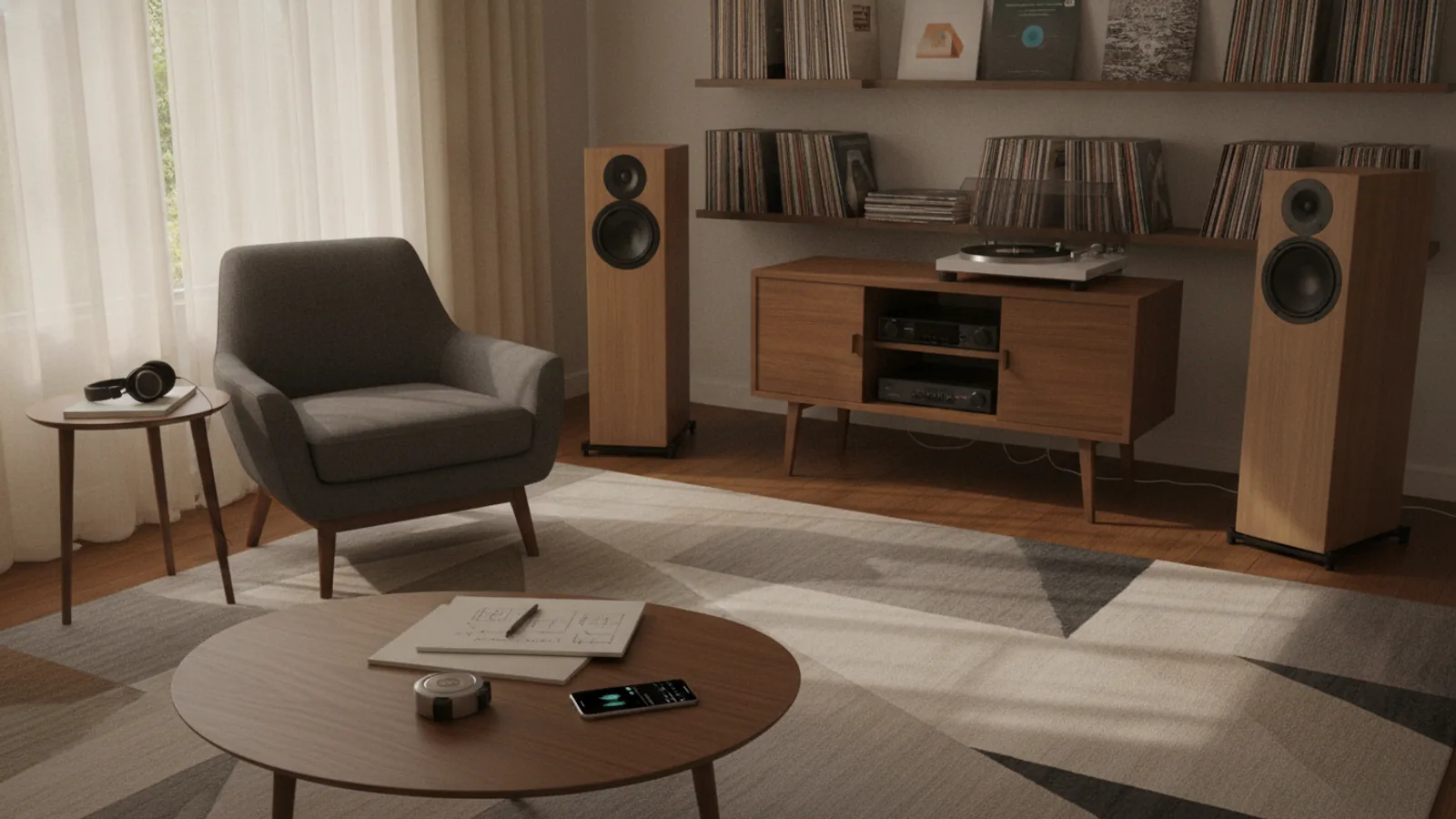
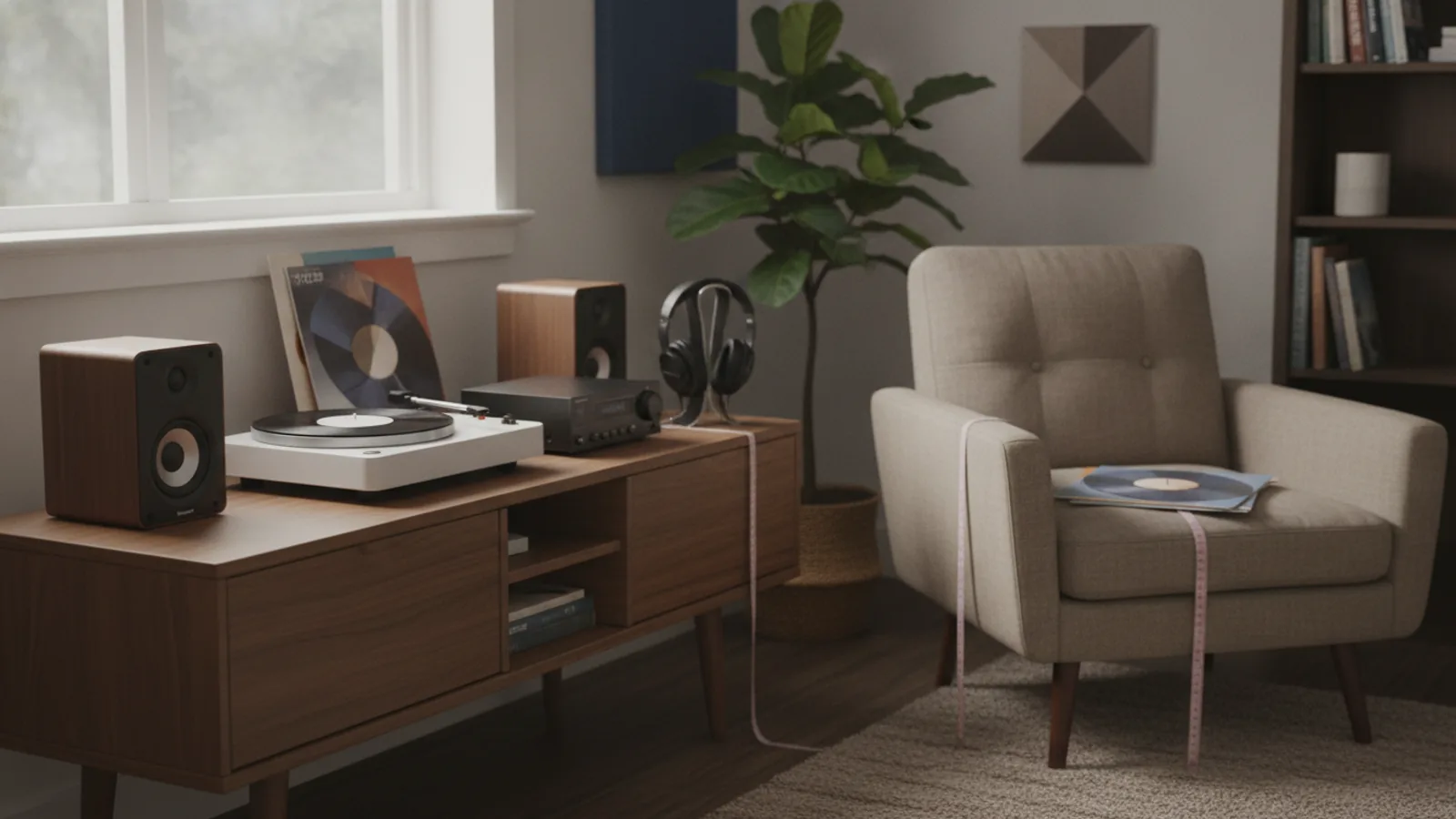
Start by taking accurate measurements of your listening room, including length, width, and ceiling height. Note the position of windows, doors, and any openings that can affect sound. Identify your primary listening spot—the place where you will sit most often—and measure the distance from that spot to where the speakers will be placed. This distance matters because it determines the ideal speaker size and output power for your space. For example, a small room with the listening position close to the speakers might not need large floor-standing speakers, while a large, open living area may require more output to fill the space. Understanding your room's characteristics will guide you to choose components that can handle the acoustics without overwhelming or underwhelming your experience.
Identify Your Primary Audio Sources
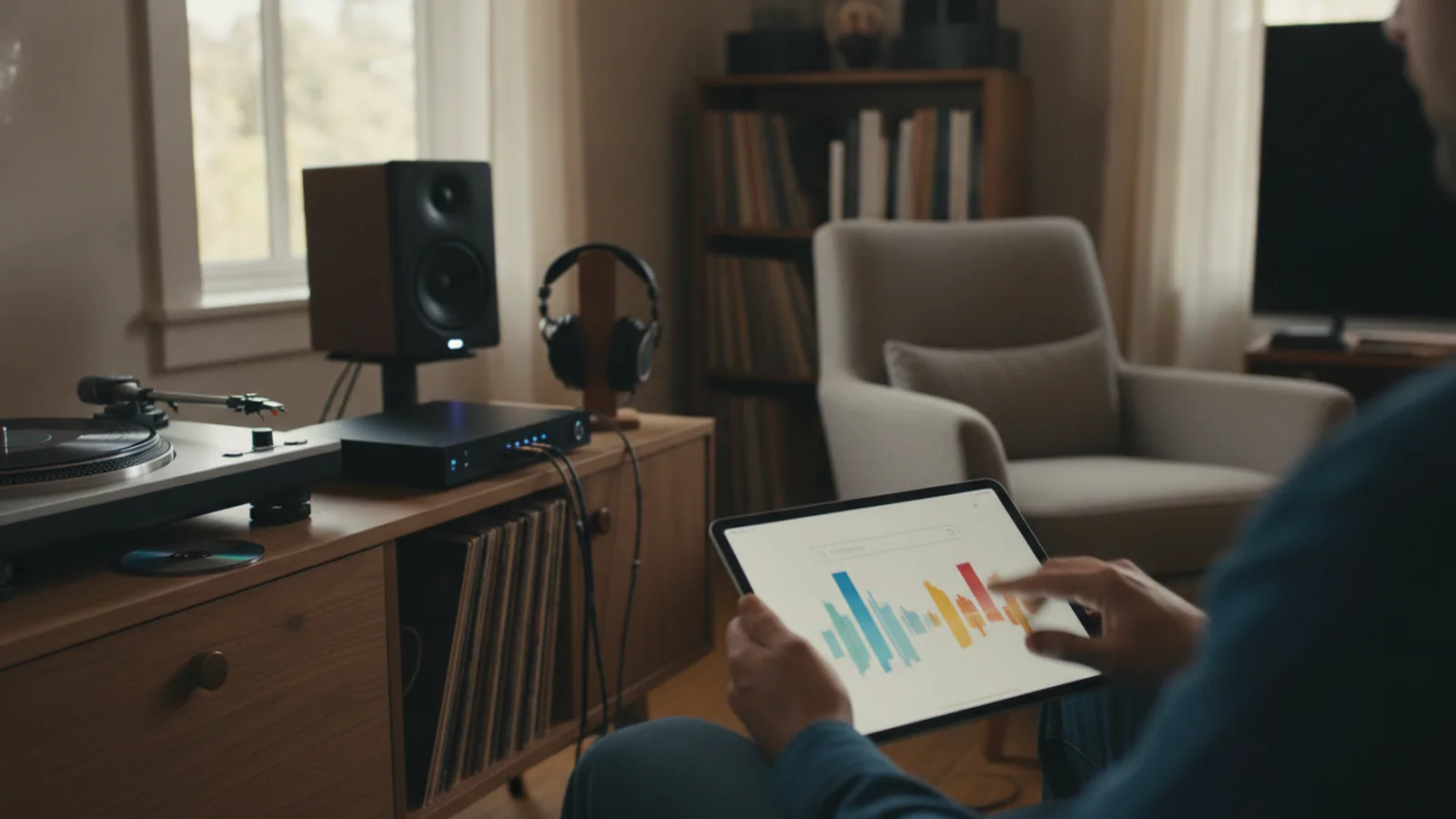
List all the devices you intend to use as audio sources, such as your smartphone, laptop, television, or a dedicated music player. Determine how you will connect them to the audio system: wirelessly via Bluetooth or Wi-Fi, or wired using auxiliary cables, USB, or optical connections. For each source, confirm that the system you are considering supports that connection method, either directly or via an adapter. Think about the quality of these sources—if you mostly stream compressed audio from your phone, a high-fidelity system may be overkill, but if you listen to lossless files or vinyl, you'll want components that can resolve fine detail. This check prevents frustration later and ensures you can play your music exactly as you prefer, without constantly switching cables or troubleshooting compatibility.
Evaluate Speaker Drivers and Cabinet Design
Examine the speaker drivers—the cones that produce sound—and the overall cabinet design. Look for a two-way or three-way design that separates tweeter, midrange, and woofer duties, which typically yields smoother response. Check the size of the drivers: a larger woofer can produce deeper bass but may need a larger cabinet, while a smaller speaker may struggle with low frequencies. Read or listen to reviews that mention the speaker's frequency response and how it handles high volumes without distortion. The cabinet material also matters: solid construction with internal bracing reduces resonance. Then, consider placement: front-ported speakers can be placed closer to walls than rear-ported ones. This evaluation helps you choose speakers that match your room and listening habits.
Test the Sound with Familiar Tracks
Bring a playlist of tracks you know well covering different genres—from acoustic vocals to bass-heavy electronic music. When you audition a system, play that playlist at your normal listening volume. Listen for clarity in vocals, a balanced bass that doesn't boom, and a sense of space in the soundstage. Move to the spot where you'll sit and listen from there. Pay attention to how the music sounds at lower volumes, as you may not always listen at high levels. Try turning the system up gradually to see if the sound becomes harsh or brittle. Because your ears know these tracks intimately, any distortion or imbalance will be obvious. This test helps you judge if the system reveals detail and is enjoyable for extended listening.
Check Connectivity and Control Options
Look at the back panel of the speakers or receiver to see available inputs and outputs. Ensure there are enough inputs for your sources, ideally with a few spare for future additions. If you want wireless streaming, check if the system has built-in Wi-Fi or Bluetooth, and verify that it supports the methods you prefer. Examine the controls: are there physical buttons on the speaker, a dedicated remote, or a phone app? Think about how you will integrate the system into your daily routine. For example, if you want to use voice assistants, confirm compatibility. Good connectivity ensures you can play music effortlessly without constant cable swapping or app frustrations.
Determine Power Output and Amplification Needs
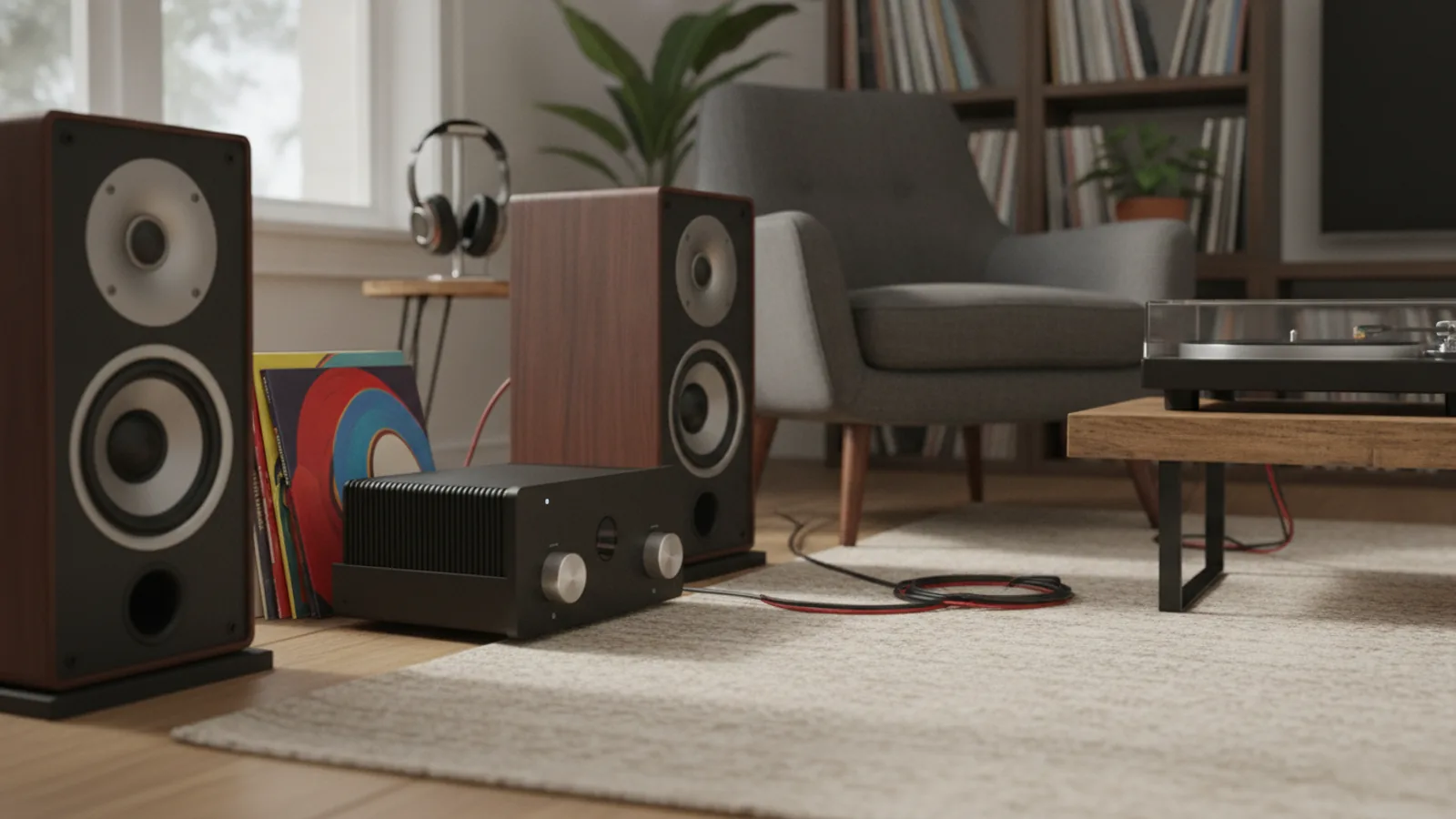
Check the power rating of the speakers in watts and the sensitivity, usually measured in decibels (dB) representing how loud they play with one watt. A higher sensitivity number means the speaker produces more volume from less power, which is useful for smaller amplifiers. Consider the size of your room: larger rooms with high ceilings may need more amplifier power to achieve clean, distortion-free volume. If you are choosing a passive speaker system, you'll need a separate amplifier or receiver with enough output for those speakers. If you choose active or powered speakers with built-in amplifiers, verify that the amplifier output matches the speakers' needs. Matching these specifications prevents underpowering, which may cause distortion, or overpowering, which can damage speakers.
Quick Reference
| Situation | Action | Why it helps |
|---|---|---|
| Your room is small, around 12 by 12 feet, and you listen mostly to acoustic or vocal music. | Choose bookshelf speakers with a front-firing bass port and a small to medium driver, and place them at ear level on stands. | Bookshelf speakers with front ports avoid the boomy bass that rear ports often cause when placed near walls, and their compact size suits a small space. |
| You have a large open-plan living area and want to fill the whole room with sound for parties. | Select floor-standing speakers with multiple drivers and a high sensitivity rating, paired with an amplifier that can supply enough clean power. | Floor-standing models project sound more widely and handle higher volumes without strain, while a robust amplifier ensures the speakers receive adequate power. |
| You plan to connect your phone, laptop, and TV, and prefer wireless streaming from each. | Pick a system that supports both Bluetooth and Wi-Fi streaming, and check that it works with your phone's operating system and the apps you use. | Wi-Fi offers better audio quality and range than Bluetooth, but Bluetooth provides simple connection for any device; having both guarantees compatibility. |
Common Issues
- The system's bass is too boomy or overpowering in your room.: Move the speakers further from walls and corners, or adjust the speaker positioning and reduce bass on the amplifier or in the equalizer settings.
- You hear a hiss or static when no music is playing.: Check all cable connections for tightness, try connecting the source to a different input, and ensure the system is properly grounded; if the issue persists, contact the manufacturer for support.
- Some of your devices do not connect wirelessly to the system.: Verify that the system uses a compatible wireless technology (e.g., Bluetooth 5.0) and that the device's wireless is enabled; consult the device's manual for connection steps, and consider using a wired connection for that device.
Advanced Tips
- Place a thick rug or area carpet in the direct reflection zone between you and the speakers to reduce floor bounce and improve clarity.
- Angle the speakers toward your listening position (toe-in) slightly, usually 15-20 degrees, to sharpen the stereo image and make vocals more precise.
- Consider adding a subwoofer to a smaller system if you enjoy deep bass, but set the crossover so the sub blends seamlessly with the main speakers.
Final Checklist
- Room dimensions and primary listening spot are measured and documented.
- All audio sources and their connection methods are confirmed compatible with the system.
- Speaker size, driver configuration, and placement are suitable for the room acoustics.
- The system's power output and controls match your normal listening volume and daily ease of use.
FAQ
Should I choose powered speakers or a passive system with a separate amplifier?
Powered speakers are easier to set up because the amplifier is built in, and they often offer features like Bluetooth. Passive systems give you more flexibility to choose your amplifier and upgrade components later. Decide based on your comfort with cables and your desire for future upgrades.
Is it worth spending more on a higher-priced system for everyday listening?
Higher-priced systems often have better driver materials, more refined crossovers, and better cabinet construction, which can lead to more detailed and less fatiguing sound. However, the right system for you depends on your room and taste, so always audition before spending.
How important is the placement of the speakers for clear sound?
Placement is crucial because it affects bass response, stereo imaging, and overall balance. Even a great system can sound mediocre if positioned poorly. Follow the manufacturer's recommendations for distance from walls and angle toward the listening spot.